Astrocytes
chatbot
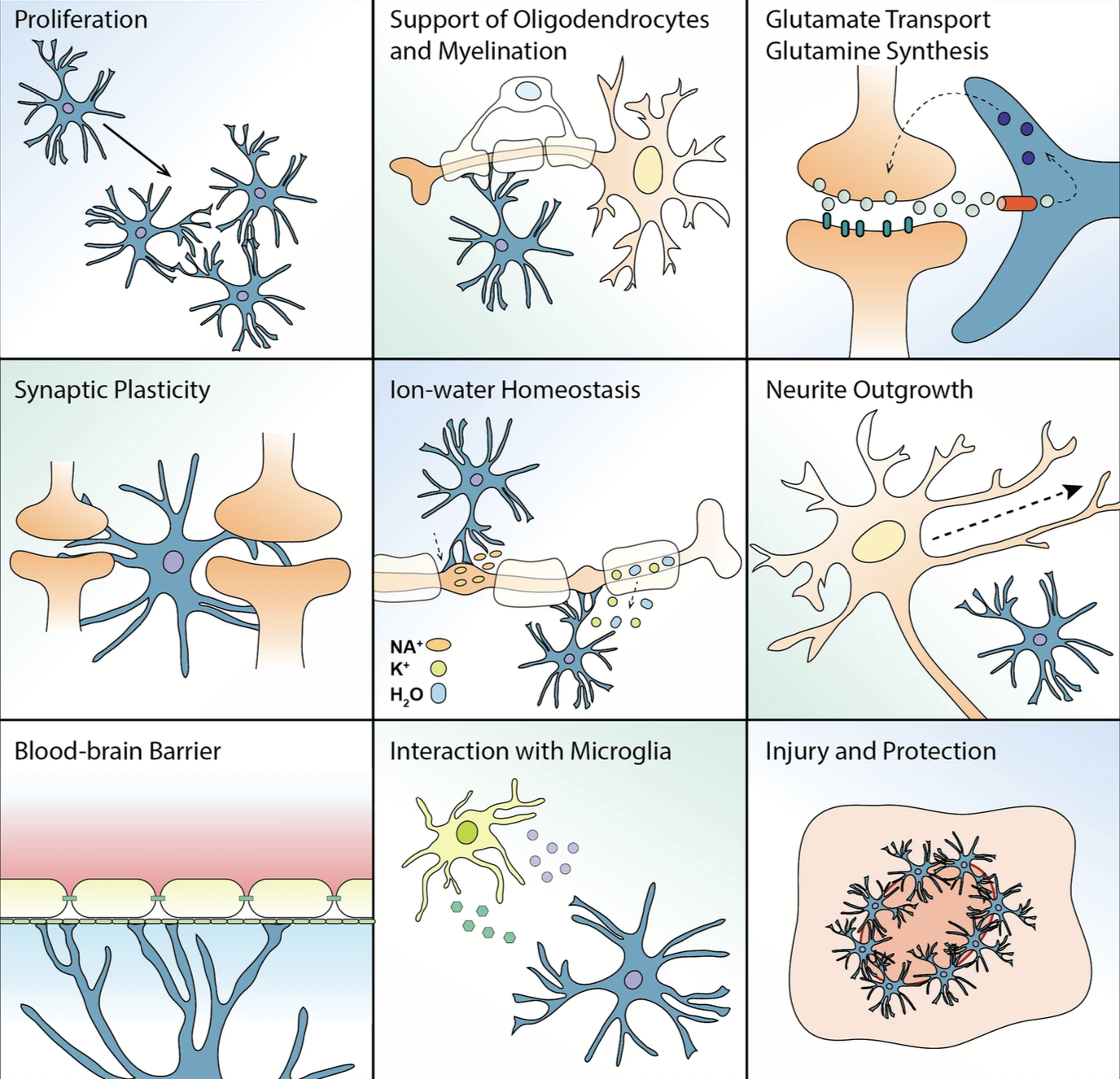
Astrocytes are a type of glial cell found in the central nervous system (CNS), which includes the brain and spinal cord. They have a star-like appearance due to their many cell processes radiating out from the cell body. Astrocytes are involved in several critical functions:
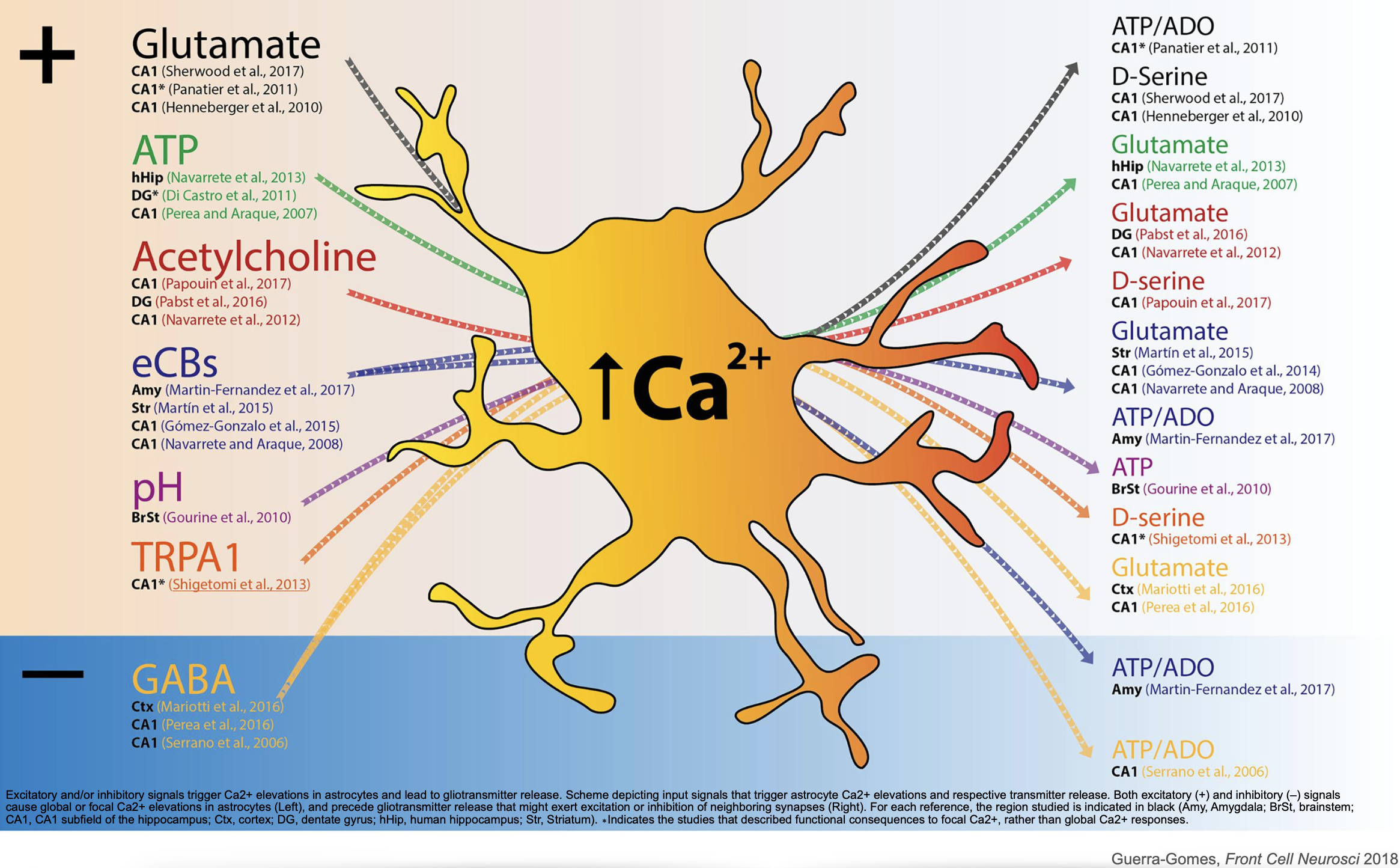
neurons promote the activation of astrocytes for:
- Nutrient Supply: They provide nutrients, such as glucose, from the bloodstream to nerve cells.
- Waste Removal: Astrocytes help in the removal of metabolic waste from nerve cells.
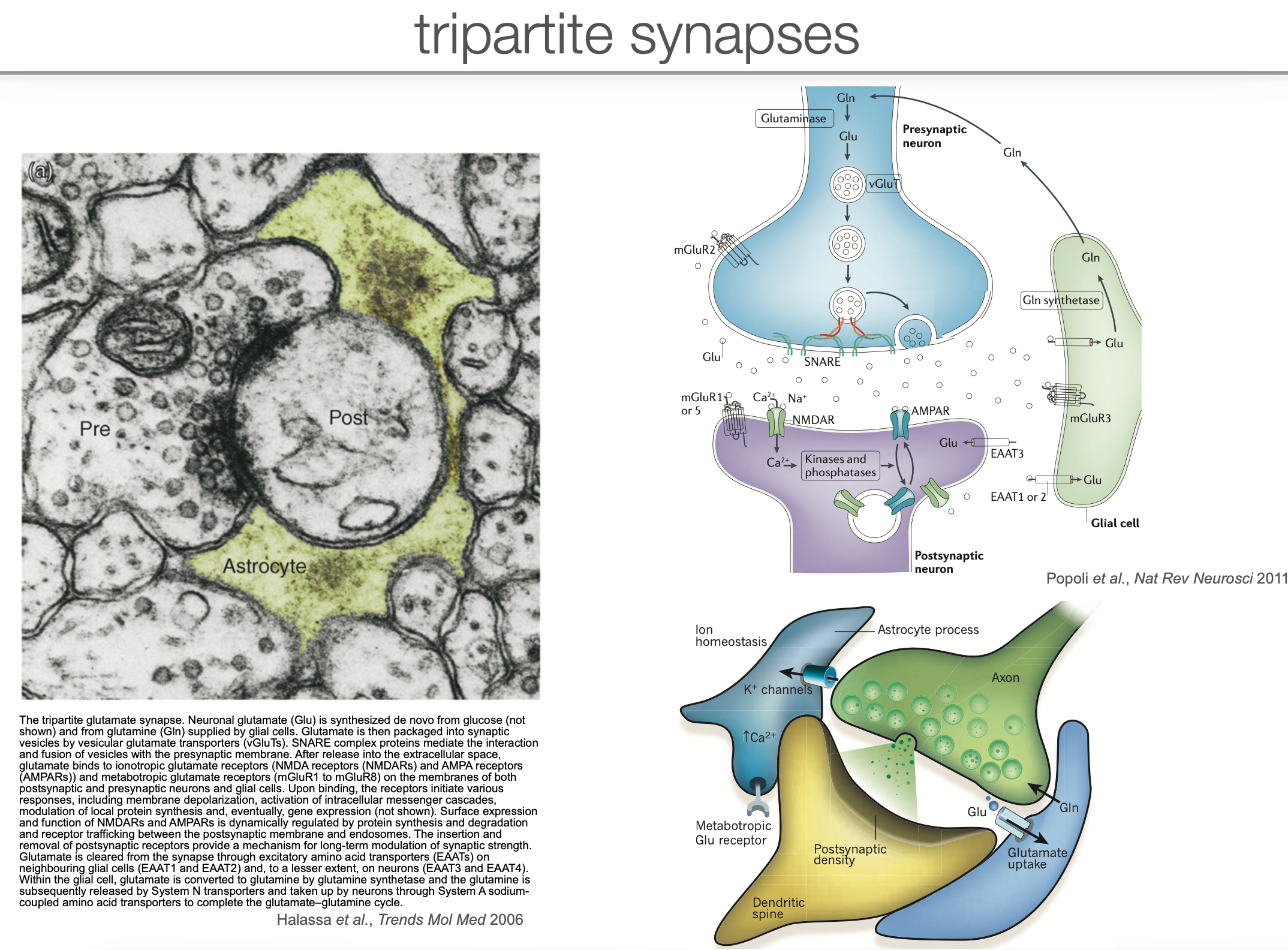
- Neurotransmitter Regulation: They remove certain neurotransmitters, like glutamate and GABA, from the extracellular space to prevent them from becoming harmful to nerve cells.
- Potassium Balance: Astrocytes help balance the extracellular potassium concentration, which is crucial for regulating the excitability of nerve cells.
- Signal Processing: Recent studies suggest that astrocytes may also participate in neuronal signal processing.
- take up waste from synaptic cleft
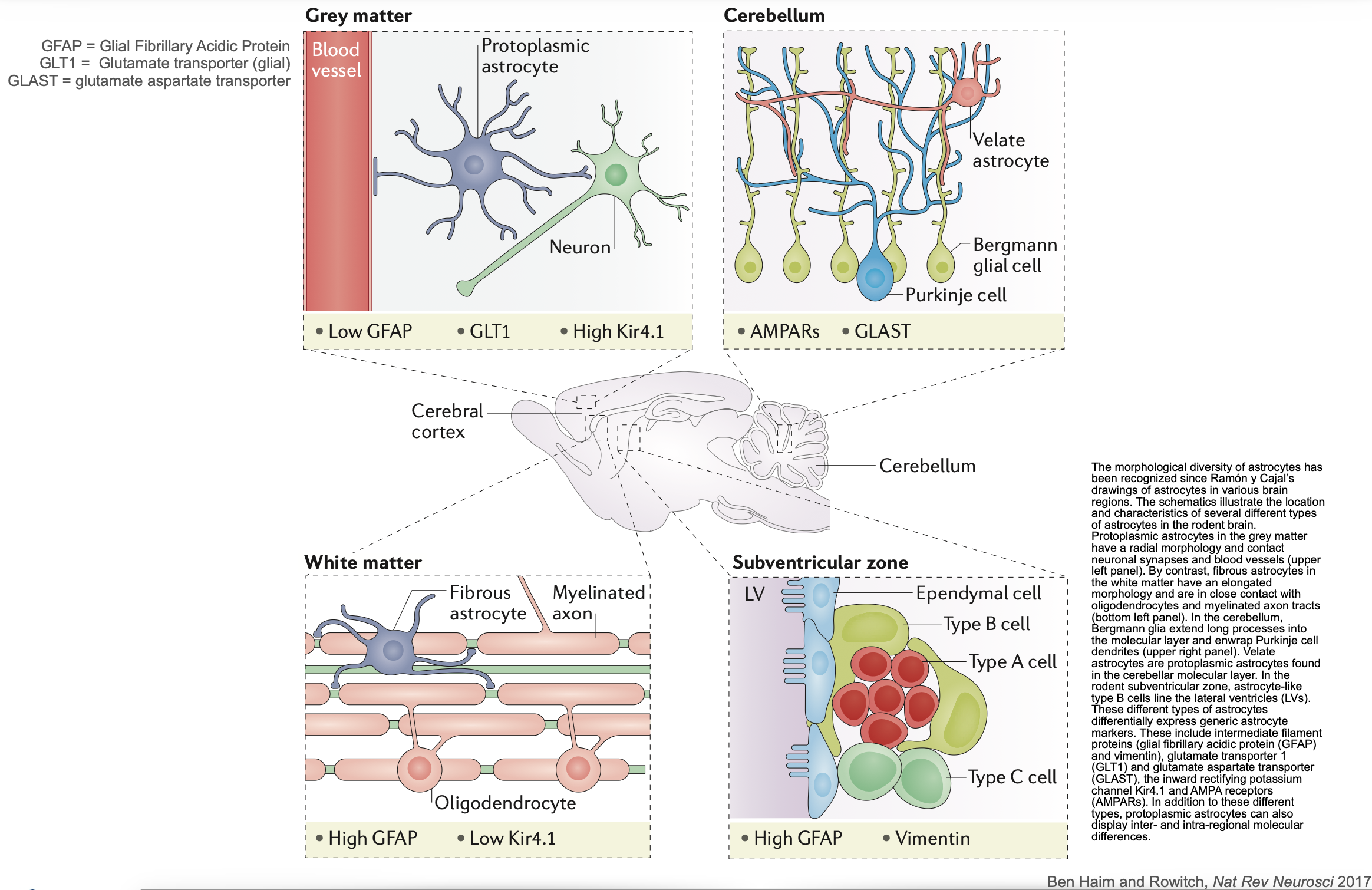
Astrocytes possess a cell-type specific cytoskeleton protein known as the glial fibrillary acidic protein (GFAP), and their branches are in close contact with both blood vessels and nerve cells.
Interactions with
- oligodendrocytes
- microglia
Sources:
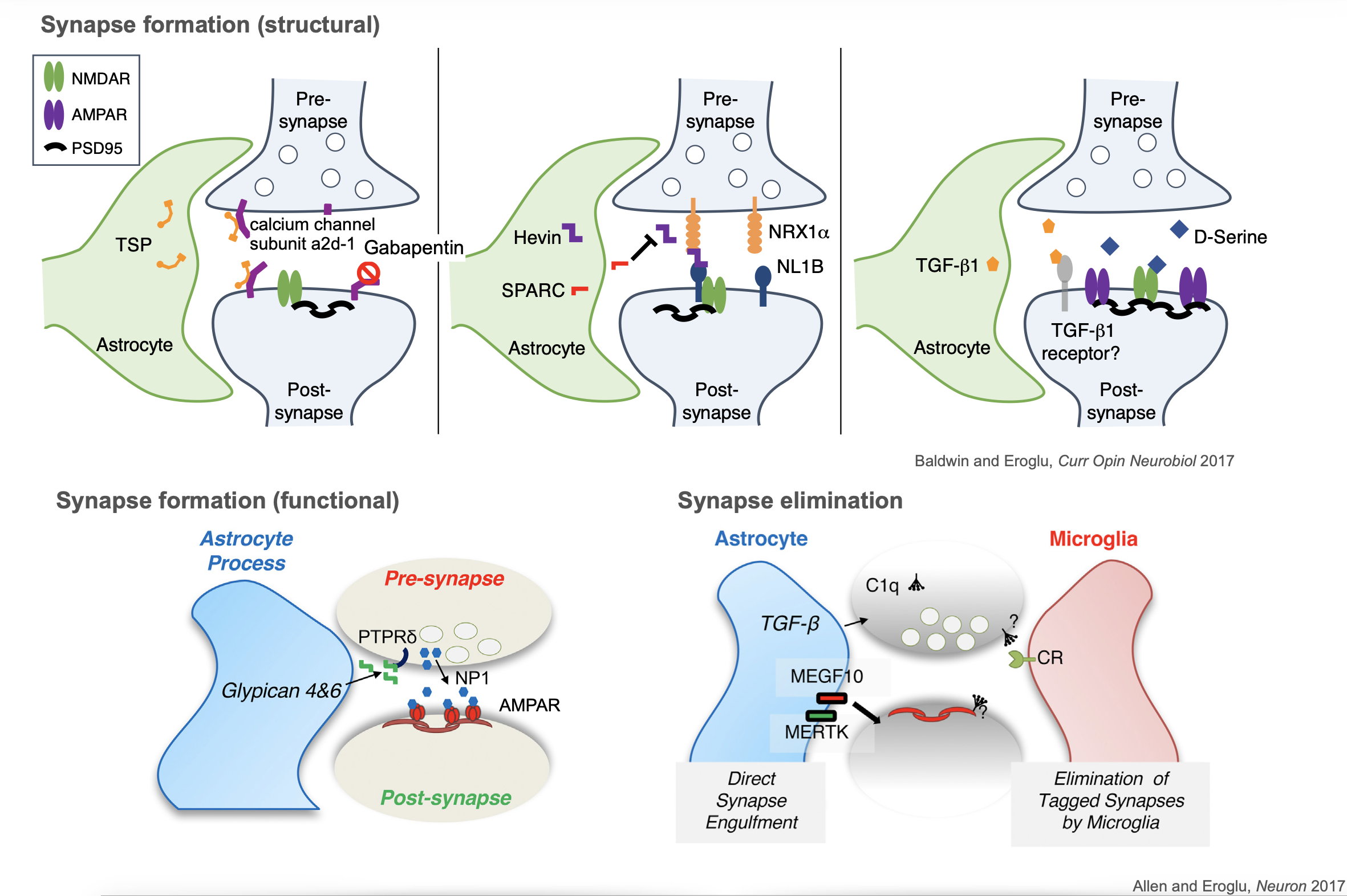
Synaptogenesis:
see also
Tags: neurobiology science
Superlink: 051 ☣Neurobiology 050 🧠Neuroscience
Cell
Central Nervous System (CNS)
Spinal cord
Glia cells
Source
Created: 11-02-25 12:53