Sensory Information
- Sensory information is defined as neural activity that originates from the stimulation of receptor cells in specific parts of the body.
- It involves the conversion of external or internal environmental signals into electrical signals that can be received and processed by neurons in the brain.
- Two classes of sensory receptors are involved:
- Enteroreceptors: Respond to internal body signals like blood pressure and oxygen concentration.
- Exteroreceptors: Collect signals from the external environment such as vision, hearing, and touch.
- Sensory information allows organisms to accurately perceive their surroundings, essential for making decisions and interacting with the environment.
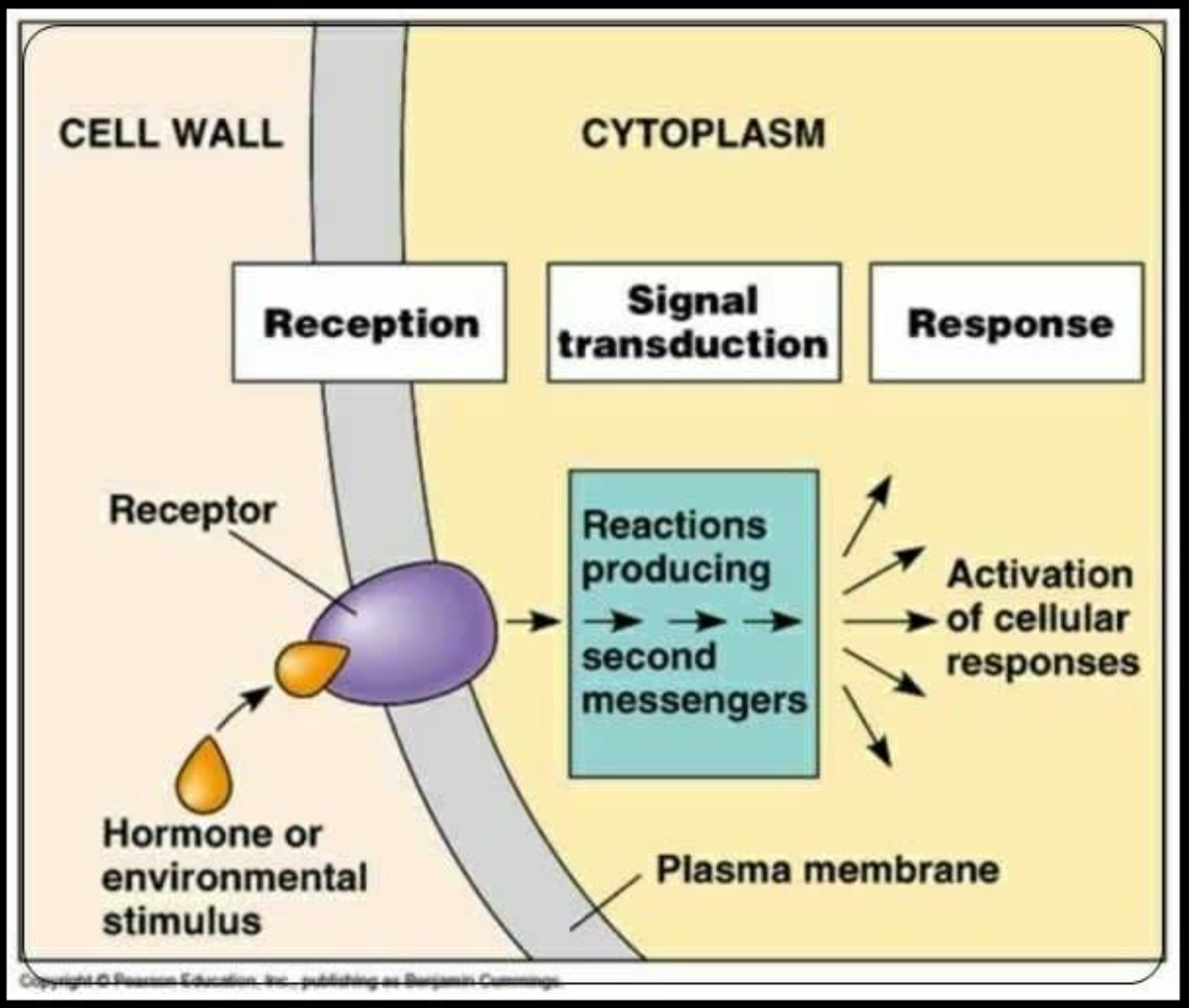
- The process of transforming environmental stimuli into neural signals is known as signal transduction, often involving signal amplification to respond to minimal energy quantities.
- Primary sensory cells can generate action potentials and possess an axon, while secondary sensory cells transmit signals via synaptic transmission without an axon.
- The receptor potential is the initial electrical response of a sensory cell to a stimulus, which varies in size according to the stimulus’s strength and can lead to action potentials or neurotransmitter release.
- Sensory information processing is crucial for the interpretation of environmental cues, enabling appropriate behavioral responses.
see also
Tags: neurobiology science
Superlink: 051 ☣Neurobiology 050 🧠Neuroscience
Source
Created: 23-10-24 22:54