- Lesions to the spinal cord often affect sensory and motor function in all bodily areas below the injury
- 12,000 new cases each year in the US
- About 273,000 people in the US have spinal cord
- Nearly half of all injuries occurred between the ages of 16 and 30.
injury (2013)
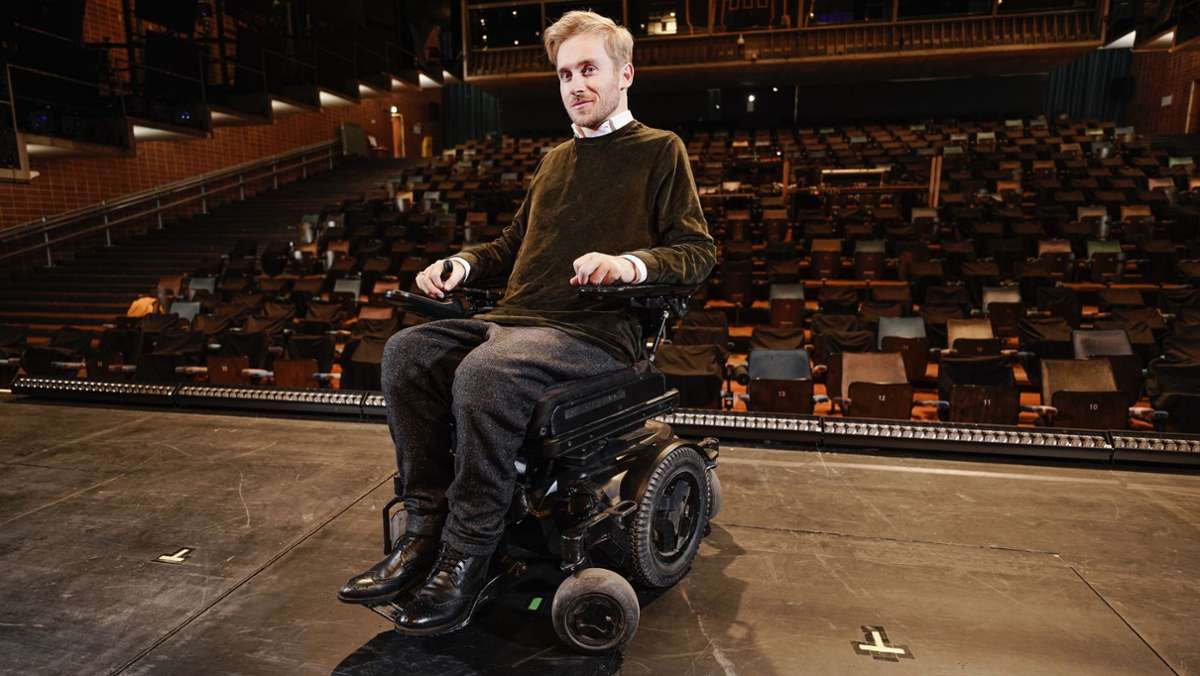
Samuel Koch jumped over a car in a famous German TV show.
Then it happened. He crashed, he hurt his spinal cord.
Now, he’s been in a wheelchair for 11 years now.

When you are severely injured in the spinal cord, you cannot move from the damage downwards. Why is this the case?
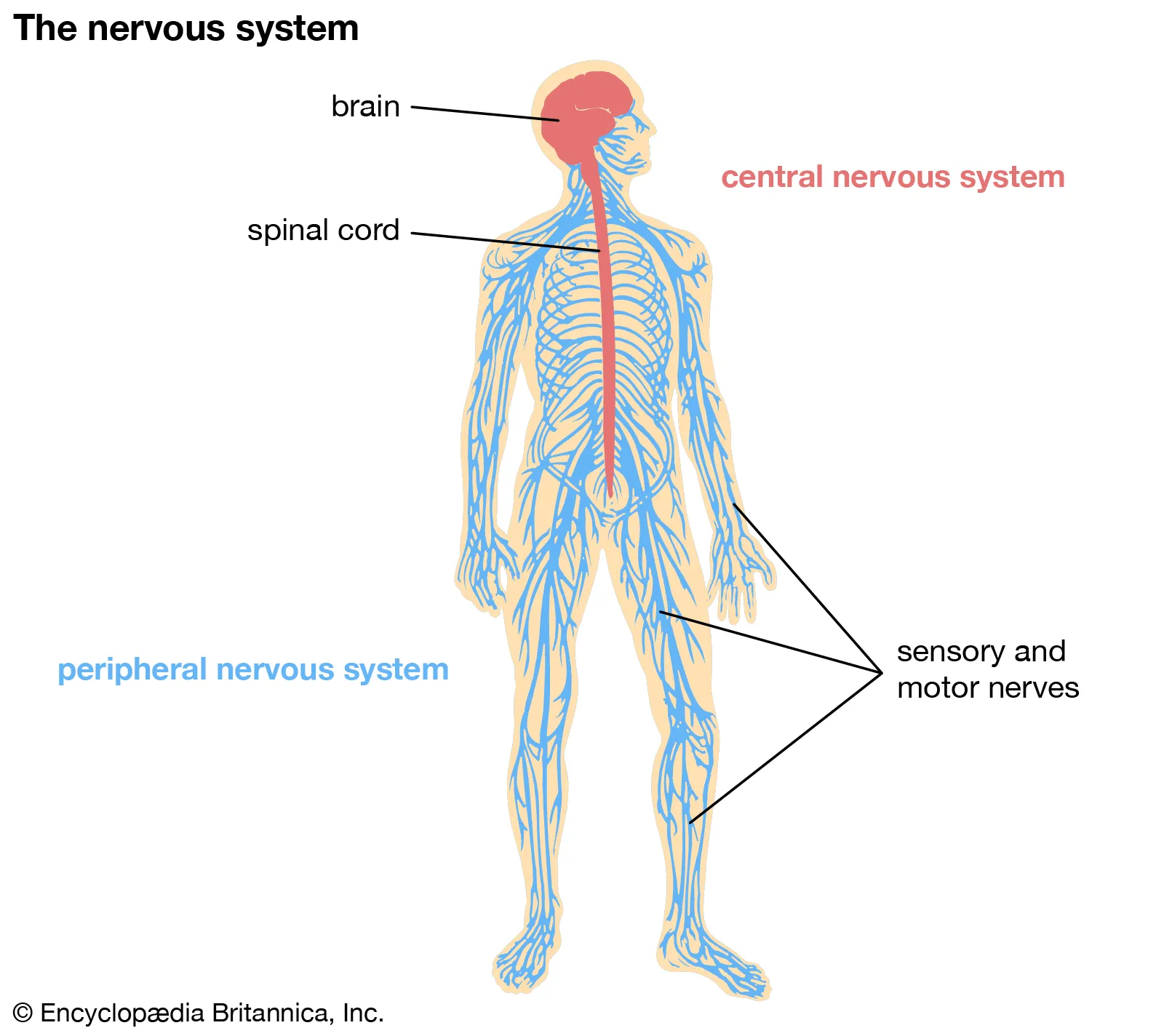
There are two nervous systems in the body. The peripheral nervous system (PNS) and the central nervous system (CNS).
The CNS is the brain and the spinal cord. The rest of nerves in the body belong to the PNS.
When you break an arm or leg, everything regrows. Your bones connect again and after your injury you can still feel your leg or arm.
This is because the neurons of the PNS can regrow axons after they have been cut off.
Source
https://www.britannica.com/science/central-nervous-system
Fotos
https://www.welt.de/fernsehen/article11397101/Wetten-dass-nach-schwerem-Unfall-abgebrochen.html
By AI
Imagine this: every year, 12,000 lives in the US alone are dramatically changed due to spinal cord injuries. That’s 12,000 individuals, with dreams and aspirations, finding themselves navigating a new reality. Among them, nearly half are young people between the ages of 16 and 30, full of energy and potential, suddenly facing a life-altering challenge. Currently, about 273,000 Americans are living with a spinal cord injury, each with their own story of resilience and adaptation.
Take, for instance, the heart-stopping moment that changed Samuel Koch’s life forever. A daring leap over a moving car on a popular German TV show ended in tragedy when he landed, causing severe damage to his spinal cord. That split second turned into 11 years (and counting) of life in a wheelchair. Samuel’s story is a stark reminder of how fragile our bodies can be and how a single moment can redefine our entire existence.
But why do spinal cord injuries have such profound effects? To understand this, we need to dive into the fascinating world of our nervous system, which is divided into two main parts: the peripheral nervous system (PNS) and the central nervous system (CNS). The CNS is the command center, comprising the brain and spinal cord, while the PNS is like the body’s network of communication lines, connecting everything else to the CNS.
Here’s where it gets interesting: when you suffer a break in a bone, say an arm or a leg, the body kicks into repair mode. Bones mend, and thanks to the regenerative capabilities of the PNS, you regain feeling and movement. Neurons in the PNS can actually regrow their axons, the long fibers that transmit signals. It’s a remarkable process that highlights the body’s resilience.
However, the spinal cord is part of the CNS, where the rules of regeneration are not so forgiving. Damage here often results in permanent changes. Lesions to the spinal cord disrupt the flow of communication between the brain and the body, affecting sensory and motor function in all areas below the injury. This is why an injury to the spinal cord can lead to paralysis or loss of sensation in certain parts of the body, dramatically altering a person’s life.
Understanding the impact of spinal cord injuries and the science behind them not only fosters empathy but also underscores the importance of research and innovation in this field. Every discovery brings us a step closer to improving the lives of those affected, offering hope where there was once despair. Samuel Koch’s journey, and those of thousands like him, remind us of the human spirit’s indomitable will to adapt and overcome, no matter the odds.