What the SOAR Algorithm teaches us about memory consolidation?
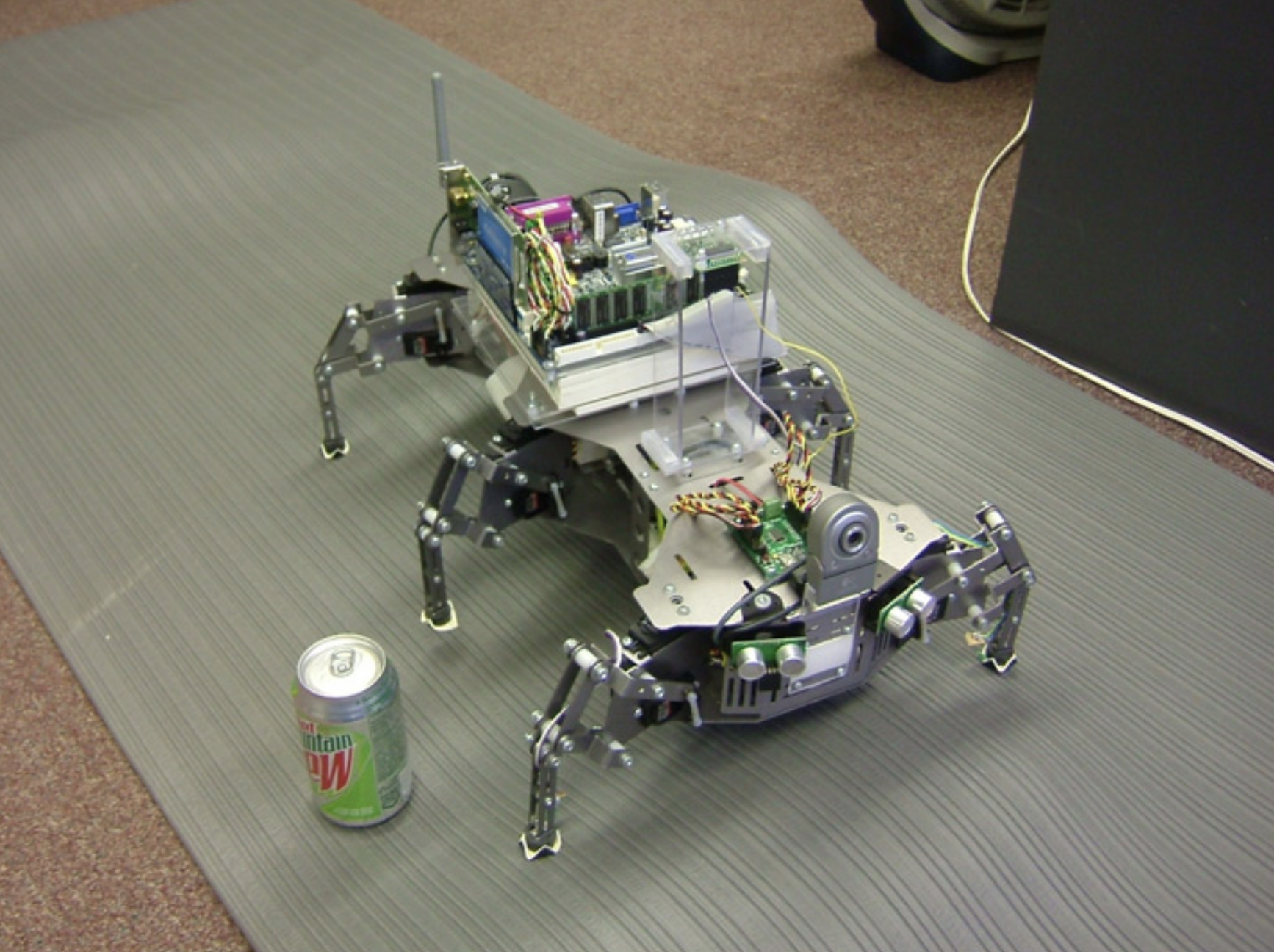
This is what a SOAR algorithm driven robot looks like. It has 6 legs to be able to navigate tough terrain.
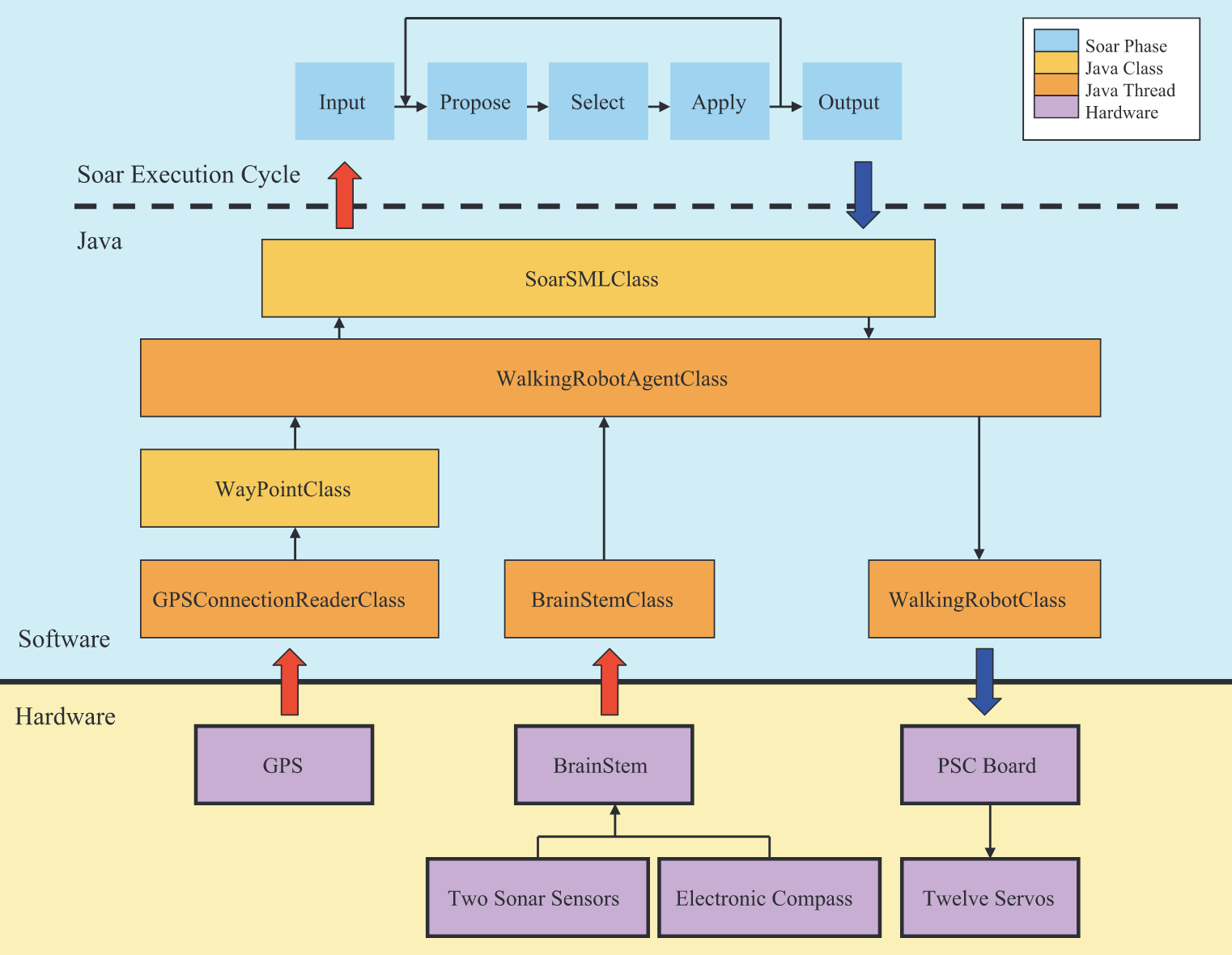
The SOAR algorithm is supposed to mimic human behaviour as we can see in this flowchart.
There are sensors coming in named after the same structure that processes incoming information from the body. The brain stem.
As it has place and grid cells for orientation mimicked by the GPS input.
Also the motor cortex is displayed as the downstream from the WalkingRobotClass on the right, manouvring the robot through the environment.
This algorithm basically consists of two functions when manouvring through the environment.
‘avoid’ and ‘goToTarget’
Both are processed at the same time. The brain stem would initiate the ‘avoid’ function and otherwise the ‘goToTarget’-function is active.
So the robot focusses on a goal. Let’s look at this example.
The SOAR algorithm is on its way to Target X.
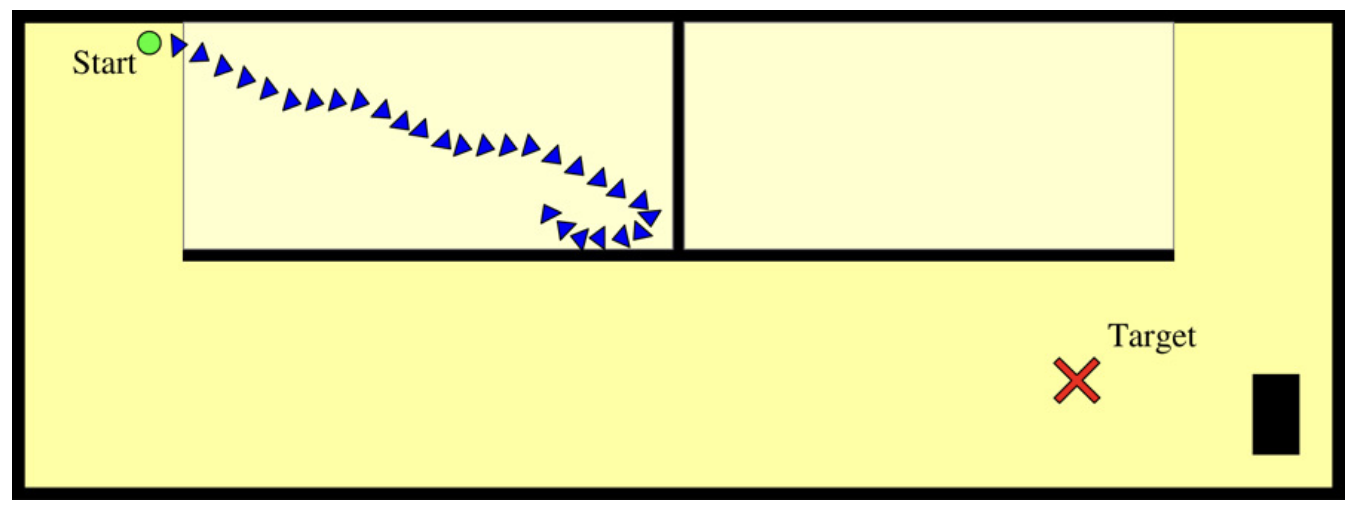
But it gets stuck - because the memory cache is too small. It jsut remembers the previous 10 steps.
In a second attempt they increased the memory cache to 25 steps in the past.
Also they added useful functions as ‘followTheWall’. Therefore the robot is more efficient in reaching the goal.
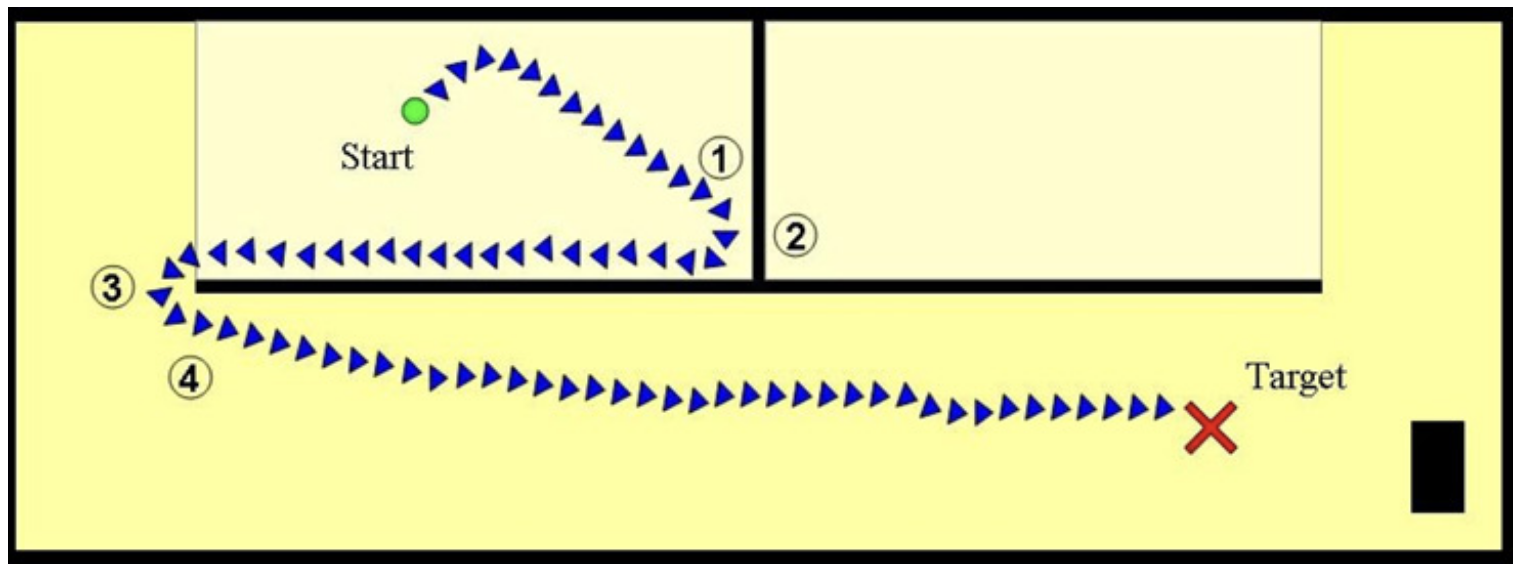
So it is always about the goal. If another more important goal comes in, such as ‘avoid obstacle’, to aims to reach this subgoal first before continuing for the higher-order goal.
The memory in the SOAR algorithm is structured like a human’s memory.
Working memory:
This is the central component of Soar’s architecture, where information currently being processed is stored. Working memory contains the current state of knowledge, including goals, facts, and the situation the system perceives (through sonar sensors).
Long-Term Memory:
Procedural memory:
Hard-coded functions. When the conditions of a function are met, the robot takes the action and updates the working memory. In case of humans, this would be ‘I am walking’.
Declarative Memory:
Stores knowledge of the environment and understanding of the world
Episodic Memory:
Stores knowledge about recent events and the sequence in which they occurred.
This all seems very close to humans.
But in understanding the human brain, Deep Neural Networks are the state of the art, because they can model and predict brain activity very well. They have neurons and connections.
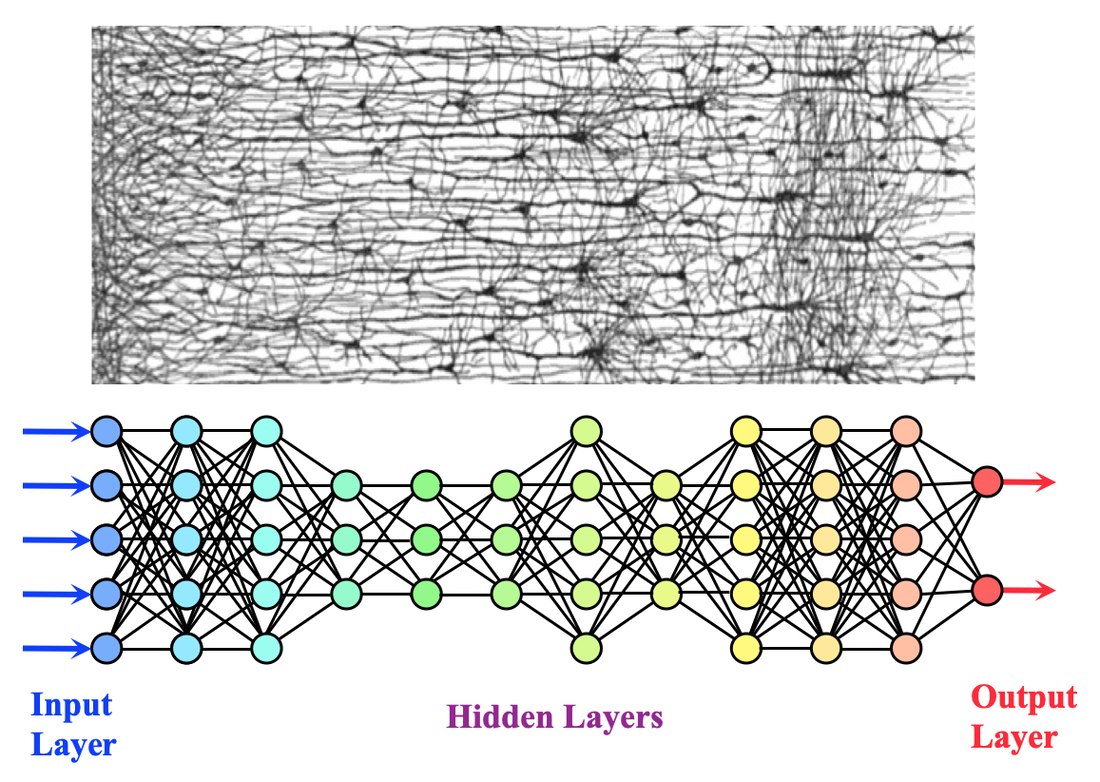
https://mriquestions.com/what-is-a-neural-network.html#/
Above you see neurons and below the deep neural network trying to mimic what happens in the cortex.
But Deep neural networks have a big issue with memory. They forget. Very fast.
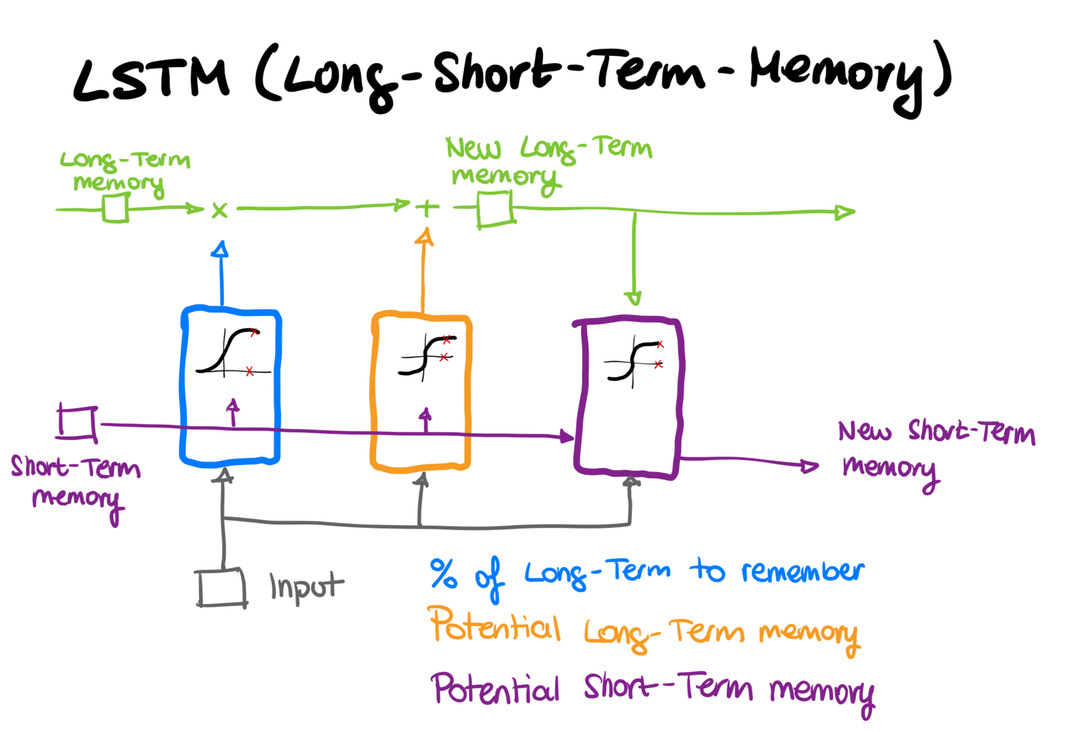
We have LSTMs trying to solve the problem of forgetting in Neural Networks.
LSTMs are better at passing on Long-Term-Memory, but it can still forget.
We humans forget as well, right?
But for a robot trying to accomplish things on Mars?
Just imagine the robot forgot where the drill tool was.
This means the information is stored somewhere in its system. Like on your laptop. But for

see also
Type:
Tags:
Status:
Location:
Created: 21-11-24 21:25
Mein Blog
Deep Neural Networks