Neurofilaments
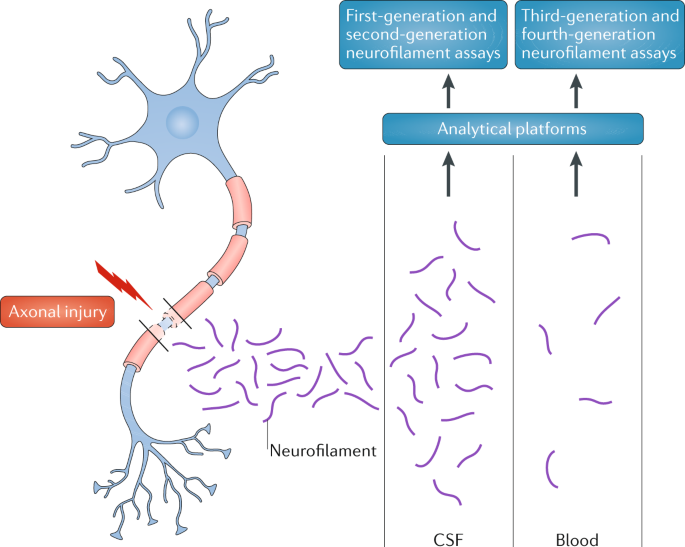
Neurofilaments are a crucial component of the cytoskeleton in neural cells, playing a significant role in maintaining the structural integrity and function of neurons. Here’s a detailed overview of neurofilaments:
#chatbot
Structure and Composition
- Diameter: Neurofilaments are solid filaments with a diameter of approximately 10 nm.
- Protein Composition: They consist of three neuron-specific proteins, which contribute to their unique structure and function.
- Polymer Arms: Neurofilaments have flexible polymer arms that extend outward, helping to maintain spacing between neighboring neurofilaments.
Function
- Axonal Support: Neurofilaments are essential in determining the radius of the axon. Their structure provides the necessary support to maintain the axon’s shape and size.
- Structural Stability: They contribute to the overall stability of the neuron’s highly branched cellular structure, allowing for both rigidity and flexibility.
- Resistance to Deformation: As part of the cytoskeletal network, neurofilaments help resist deformation while allowing reorganization in response to external forces or internal stimuli.
Role in Neurons
- Axonal Transport: While not directly involved in transport, neurofilaments provide the structural framework that supports the axonal transport system.
- Neuronal Health: Proper functioning and organization of neurofilaments are crucial for maintaining neuronal health and function.
Comparison with Other Cytoskeletal Elements
- Microtubules: Unlike neurofilaments, microtubules are hollow tubes with a larger diameter (approx. 20 nm) and are primarily involved in axonal transport.
- Microfilaments: These are smaller (5 nm in diameter) and consist of actin, playing a significant role in muscle contraction and cellular movement.
Neurofilaments, along with microtubules and microfilaments, form a dynamic network that is essential for the structural and functional integrity of neurons. Their unique properties and interactions with other cytoskeletal elements enable neurons to maintain their complex shapes and perform their functions effectively.
see also
Tags: neurobiology science
Superlink: 051 ☣Neurobiology 050 🧠Neuroscience
Source
Created: 11-02-25 15:07