Cell
Important parts of a cell
#chatbot
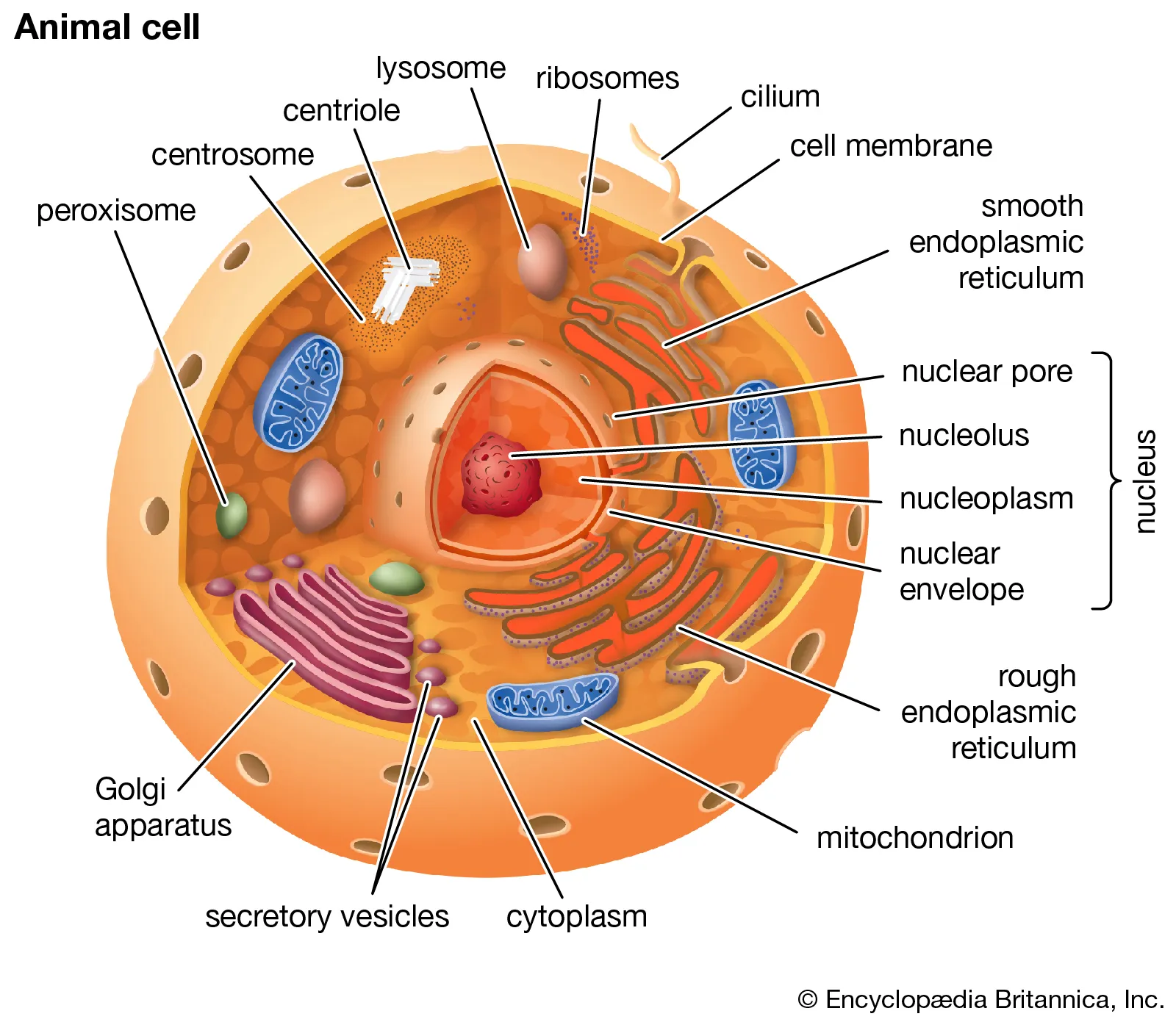
A cell is the basic structural, functional, and biological unit of all living organisms. It can be considered the building block of life. Here are the most important components of a typical cell:
-
Cell Membrane: This is the outer layer that surrounds the cell, acting as a protective barrier. It controls the movement of substances in and out of the cell, ensuring that essential nutrients enter the cell and waste products are expelled.
-
Nucleus: Often referred to as the “control center” of the cell, the nucleus contains the cell’s DNA (deoxyribonucleic acid), which holds the genetic instructions for the development and function of living organisms. The nucleus is responsible for growth and reproduction.
-
Cytoplasm: This is the jelly-like substance that fills the cell, providing a medium for chemical reactions to take place. It contains all the organelles outside of the nucleus.
-
Mitochondria: Known as the “powerhouse” of the cell, mitochondria generate the energy that the cell needs to function, using oxygen and nutrients to produce Adenosine Triphosphate (ATP)
-
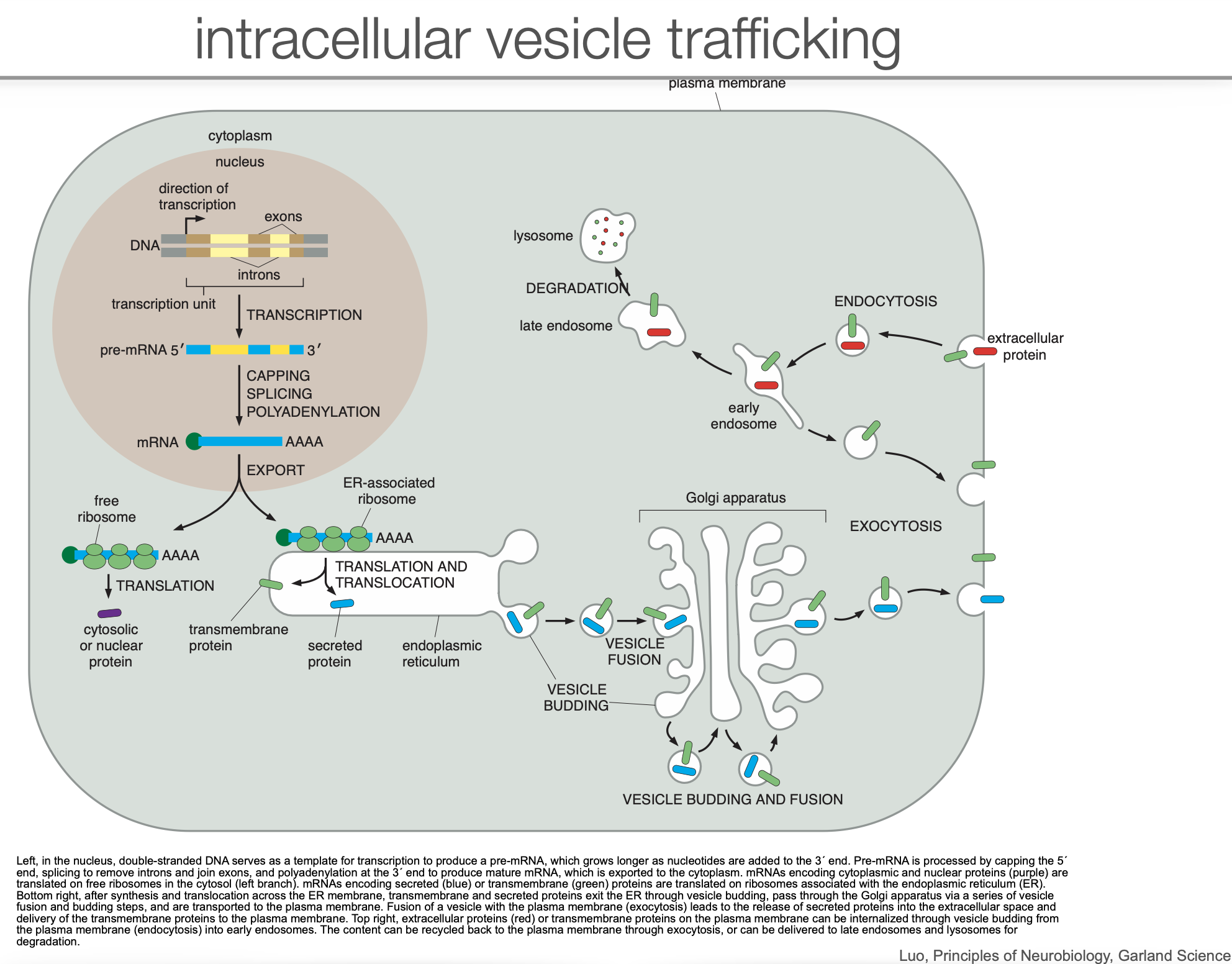
Ribosomes: These are the sites of protein synthesis. Ribosomes can be found floating within the cytoplasm or attached to the endoplasmic reticulum. They play a critical role in translating genetic information from the nucleus into protein, which is essential for the structure, function, and regulation of the body’s tissues and organs.
-
Endoplasmic Reticulum (ER): The ER is a network of membranous tubules within the cytoplasm of the cell. It comes in two forms: rough ER, which is studded with ribosomes and assists in protein synthesis and modification, and smooth ER, which is involved in lipid synthesis and detoxification processes.
-
Golgi Apparatus: This organelle is responsible for modifying, sorting, and packaging proteins and lipids for storage or transport out of the cell. It works closely with the ER and ribosomes.
-
Lysosomes: These contain digestive enzymes that break down waste materials and cellular debris. They can be thought of as the cell’s “recycling center.”
-
Cell Wall (in plant cells, fungi, and some bacteria): This is an additional layer outside the cell membrane that provides structure, support, and protection. Plant cell walls are primarily made of cellulose.
-
Chloroplasts (in plant cells and some algae): These organelles carry out photosynthesis, allowing the cell to convert sunlight into glucose, which can then be used as energy.
Understanding these components is fundamental to grasping how cells function and how they are essential to all forms of life.
Receptor (or sensory) cells
Enteroreceptors: respond to signals from within the body such as blood pressure, oxygen concentration, pH.
Exteroreceptors: collect signals from the outside world such as vision, hearing, touch etc.
The current course will focus onto exteroreceptors.
The initial electrical response of a sensory cell is called the receptor potential.
subclasses
primary sensory cells
- possess an axon and are able to generate action potentials
secondary sensory cells - do not have an axon and hence transmit signals directly from their cell body to target cells via synaptic transmission, similar as it otherwise occurs in nerve terminals
- mainly olfactory cells
Questions
Here are five deep questions about animal cells along with their answers:
-
Question: How does the structure of the cell membrane contribute to its function in regulating the movement of substances in and out of the cell?
- Answer:
- The cell membrane is composed of a phospholipid bilayer with embedded proteins, which provides a semi-permeable barrier.
- The hydrophilic heads and hydrophobic tails of phospholipids create a selective barrier that allows only certain molecules to pass through.
- Membrane proteins facilitate the transport of specific molecules, such as ions and nutrients, through channels and carriers.
- The fluid mosaic model allows for flexibility and the dynamic movement of proteins within the lipid bilayer, aiding in cell signaling and transport.
- Answer:
-
Question: What role do mitochondria play in cellular metabolism, and how is this process crucial for cell survival?
- Answer:
- Mitochondria are responsible for producing ATP through oxidative phosphorylation, which is the primary energy currency of the cell.
- They convert energy from nutrients into ATP by using oxygen in the electron transport chain.
- This energy production is crucial for powering various cellular processes, including muscle contraction, nerve impulse propagation, and biosynthesis.
- Mitochondria also play a role in regulating apoptosis, or programmed cell death, which is essential for maintaining healthy tissue and organ function.
- Answer:
-
Question: How do ribosomes and the endoplasmic reticulum (ER) work together in protein synthesis and processing?
- Answer:
- Ribosomes, either free-floating or attached to the rough ER, are the sites of protein synthesis where mRNA is translated into polypeptide chains.
- The rough ER provides a surface for ribosomes to attach and facilitates the folding and modification of newly synthesized proteins.
- Proteins synthesized in the rough ER are often destined for secretion or for use in the cell membrane.
- The smooth ER, although not directly involved in protein synthesis, plays a role in lipid synthesis and detoxification, which are essential for maintaining cellular homeostasis.
- Answer:
-
Question: How do lysosomes contribute to cellular homeostasis and defence mechanisms?
- Answer:
- Lysosomes contain hydrolytic enzymes that break down waste materials, cellular debris, and foreign pathogens.
- They are involved in autophagy, the process of degrading and recycling cellular components, which is crucial for cell maintenance and survival under stress conditions.
- Lysosomes help defend against pathogens by digesting bacteria and viruses that enter the cell.
- They also play a role in apoptosis by releasing enzymes that trigger cell death when necessary.
- Answer:
-
Question: How do the structural differences between plant and animal cells reflect their functional adaptations?
- Answer:
- Animal cells lack a cell wall, allowing for a more flexible and varied shape, which is important for movement and interaction with the environment.
- Plant cells have a rigid cell wall made of cellulose, providing structural support and protection, which is essential for maintaining shape and withstanding turgor pressure.
- Chloroplasts in plant cells enable photosynthesis, converting sunlight into chemical energy, which is not present in animal cells.
- The presence of large central vacuoles in plant cells aids in storage and maintaining cell turgor, while animal cells have smaller, more numerous vacuoles for storage and transport.
- Answer:
see also
Tags: neurobiology science
Superlink: 051 ☣Neurobiology 050 🧠Neuroscience
Source
Created: 20-09-24 12:33